
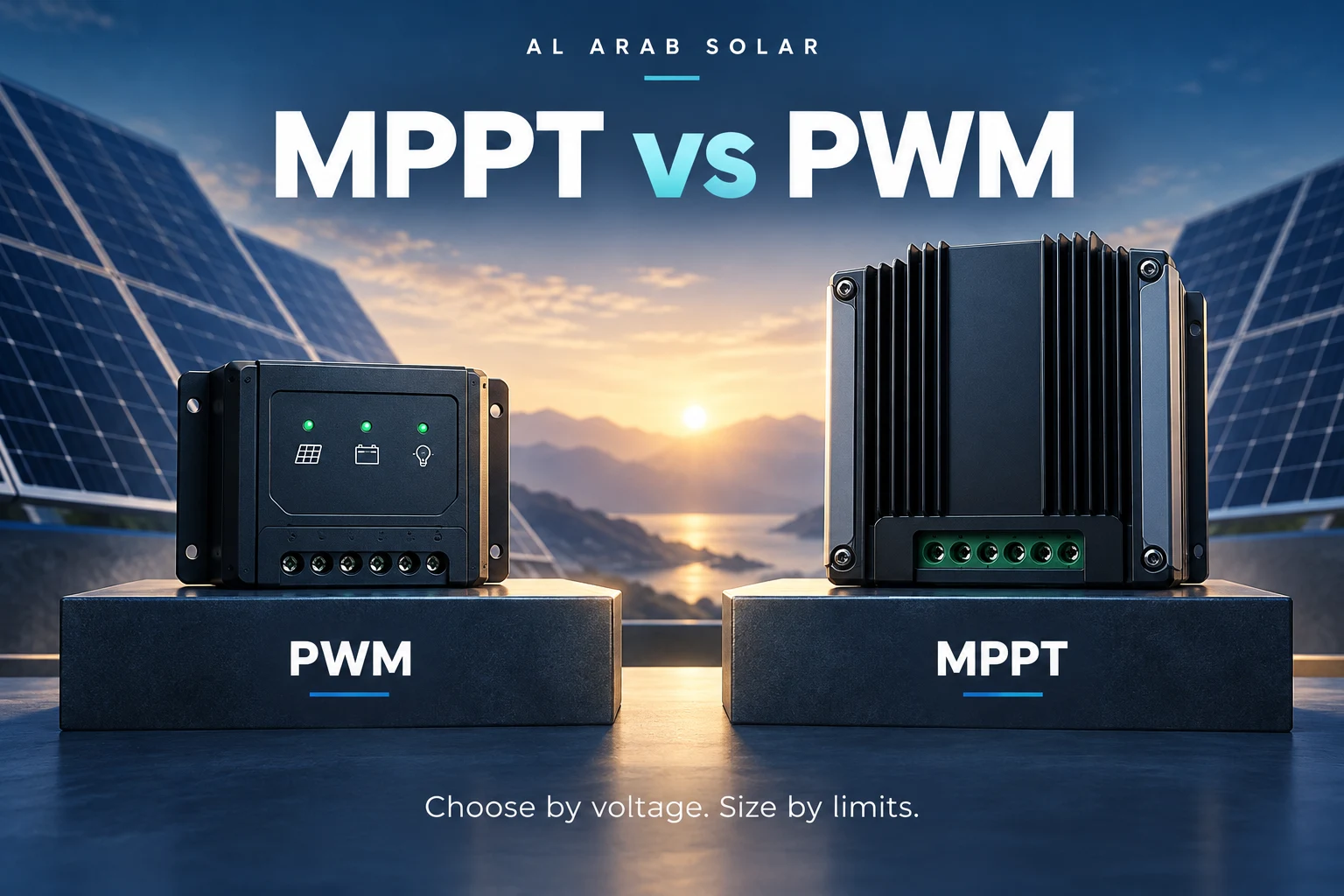
MPPT vs PWM: the quick answer
Choose MPPT when you need to convert a higher panel operating voltage into useful battery charging current. Choose PWM for a small, correctly matched panel-and-battery setup where its lower cost makes sense. In an MPPT vs PWM comparison, the controller label matters less than whether the exact unit fits your panel, battery and daily charging requirement.
Roman Urdu: Sirf “60A” ya “MPPT” likha dekh kar na khareedein. Panel ke volts, battery ke volts aur controller ki asli limits pehle match karein.
A controller can have enough amps on its box and still be wrong for your solar panel. The missing detail is often voltage: panel operating voltage, open-circuit voltage and battery charging voltage describe different things. This guide explains MPPT vs PWM for buyers in Pakistan without turning one advertised efficiency figure into a promise.
Table of Contents
What is MPPT, and what does PWM mean?
MPPT means Maximum Power Point Tracking. An MPPT charge controller adjusts the solar array’s operating point to find available power, then converts that input to the voltage required for battery charging. Input and output current can therefore differ.
PWM means Pulse Width Modulation. A conventional PWM solar charge controller switches the panel-to-battery connection to regulate charging. During bulk charging, panel voltage operates close to battery voltage rather than independently tracking the panel’s maximum-power point.
That is the central difference described by Morningstar’s controller comparison. Neither name, by itself, confirms permitted battery chemistry, protection quality or the ratings of a product on sale.
MPPT vs PWM solar charge controller comparison
| Buying question | PWM | MPPT |
|---|---|---|
| How does it use panel voltage? | Panel voltage is pulled near battery voltage during bulk charging. | Tracks an operating point and converts power to battery charging voltage. |
| Where can it make sense? | A small, voltage-matched system with modest charging needs. | A compatible higher-voltage array, expansion or a need to harvest more available energy. |
| What does it usually cost? | Typically lower upfront cost. | Typically higher upfront cost; compare the useful extra energy. |
| Is lithium automatically supported? | No. Verify the exact charging settings. | No. Verify settings, BMS requirements and current limits. |
| Can I ignore input voltage limits? | No. | No. MPPT does not mean unlimited PV voltage. |
| Does it guarantee a fixed daily gain? | No. | No. Conditions and battery demand change the result. |
The Renogy controller overview also distinguishes applications by array voltage and system requirements. For MPPT vs PWM, compare complete setups rather than declaring every low-cost PWM controller useless or every MPPT unit suitable.
MPPT vs PWM calculations: follow watts, not just amps
Consider a hypothetical panel producing 18V at 5A at its maximum-power point. Available panel power is 18 × 5 = 90W. Assume the battery is charging at 14V.
- PWM illustration: if panel current remains approximately 5A at the lower operating voltage, battery-side power is about 14 × 5 = 70W, before wiring and controller losses.
- MPPT illustration: assuming an illustrative 95% conversion efficiency at this operating point, 90 × 0.95 = 85.5W reaches the output. At 14V that is approximately 6.1A.
The extra output current is voltage conversion, not newly created energy. This example gives about 22% more output power than the simplified PWM case, not a measured product result or a universal daily gain. Panel current at 14V must actually come from its current-voltage curve; 5A is a stated simplifying assumption. The 95% figure is an example, not a specification for our catalogue.
Why a higher-voltage panel changes the decisionA second hypothetical panel operating at 40V and 10A offers 400W at that point. An MPPT output at 14V and the same illustrative 95% efficiency would be about 27.1A. Its 10A panel-side current is not its battery-side charging current. This is not permission to connect that panel: input voltage, short-circuit current, output current and battery limits must all pass first.
Victron’s technical comparison explains the underlying voltage/current behaviour and temperature effects. Our arithmetic above uses explicitly chosen numbers so you can follow the reasoning rather than mistake a laboratory chart for a Karachi rooftop forecast.
MPPT vs PWM efficiency in Karachi: heat, shade and battery demand
Do not read “high conversion efficiency” as “the same percentage more solar every day.” Conversion efficiency concerns power passing through the controller. Extra energy harvest compares two operating systems over time. Those are different measurements.
Hot panels generally have lower maximum-power voltage than cooler panels. When that voltage moves closer to battery charging voltage, the advantage available to MPPT can shrink in a correctly matched small array. Karachi heat is therefore a reason to compare actual panel data, not a reason to assume PWM is always better.
Shade, dirt, roof orientation, cable losses and charging demand also affect what reaches the battery. An MPPT controller cannot recover sunlight blocked by shade. When the battery is full or its charging limit is reached, greater available panel power does not necessarily mean greater stored energy.
Before deciding on MPPT vs PWM, ask a practical question: is my present problem voltage mismatch, insufficient panel energy, battery acceptance, or simply a full battery? Replacing the controller only addresses some of those problems. Start with your appliance demand using our solar load calculator, then verify the charging arrangement separately.
MPPT vs PWM: 7 essential checks before buying a controller
1. Match the battery bank and chemistry
For an MPPT vs PWM decision, write down the nominal battery voltage, battery model and chemistry. Check supported charging settings, permitted current and any required BMS control. “12V/24V auto” does not establish lithium compatibility. Morningstar’s lithium guidance covers both configurable PWM and MPPT products, demonstrating why chemistry support is model-specific. Do not apply lead-acid equalisation to a lithium battery unless its manufacturer explicitly requires that procedure.
2. Check panel Voc at the coldest design temperature
Voc is open-circuit voltage, not normal operating voltage. Series-panel voltages add, and cold conditions can raise Voc. Give the installer the exact panel datasheet and proposed string arrangement. Staying below a controller’s maximum PV voltage is a separate check from matching panel watts.
3. Check the operating and start-voltage window
Vmp is panel voltage near maximum power. A common step-down MPPT controller needs sufficient PV voltage above the battery to start and continue charging. The required margin is model-specific; some products use a different converter topology. Do not assume every MPPT can charge a higher-voltage battery from a lower-voltage panel.
4. Separate input current, charging current and load terminals
Check maximum permitted PV short-circuit current and battery-side charge current independently. “60A” may describe charging output rather than allowed panel input or an inverter connection. Load-terminal limits are another rating. A controller is not an AC inverter.
5. Read the allowed PV power at your battery voltage
The same controller may allow different panel wattage on 12V and 24V battery systems. Any permitted oversizing or clipping must follow its manual. A bigger panel is not automatically safe because charging output is current-limited. Victron’s installation instructions illustrate the separate PV-voltage, current and installation checks; their numerical limits must not be transferred to another brand.
6. Ask for evidence behind the MPPT label
A screen, heavy case or printed label does not prove tracking performance. Request the exact model datasheet and a written explanation of input/output ratings. A qualified technician can assess operating voltage and power under suitable charging conditions. A single reading with a full battery is not a reliable comparative test. We do not classify a product as counterfeit from its appearance.
7. Compare complete installed cost and support
When comparing MPPT vs PWM costs, include compatible cables, protection, installation work and the written claim process. For current MPPT charge controller prices in Pakistan, use our live catalogue rather than a permanent blog price table. Delivery is within Karachi; confirm area-dependent charges and stock before payment.
MPPT vs PWM explained in our short video
Prefer a quick introduction? Watch Al Arab Solar’s short explainer below, then use the checklist above for your exact equipment. The video introduces the topic; it does not replace a product manual or model-specific compatibility check.
Watch the original Al Arab Solar Short on YouTube if the embedded player is unavailable.
Current solar charge controllers at Al Arab Solar
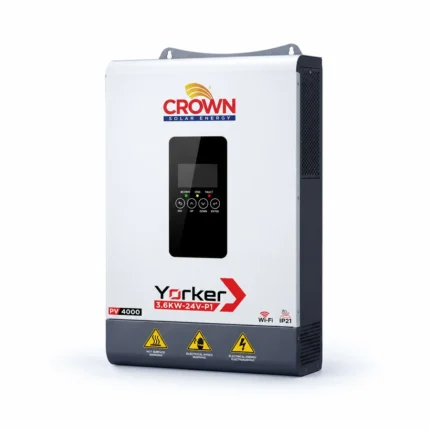
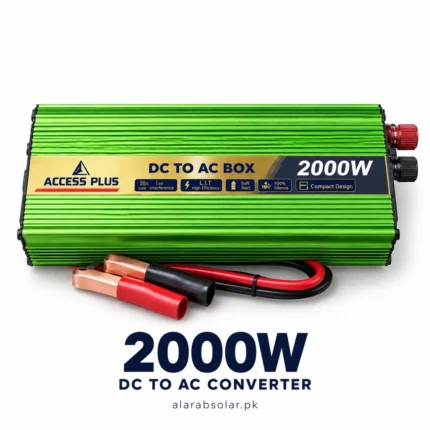
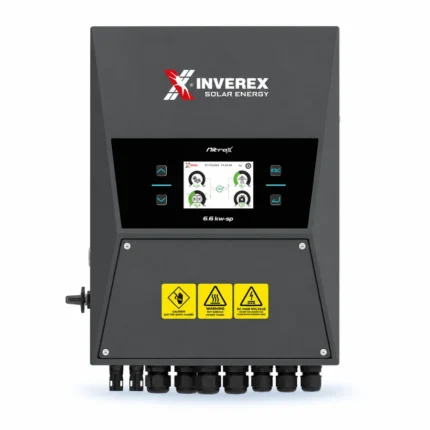
These cards come from the current controller category. Product names, availability labels and displayed prices follow the store listings; the article does not freeze particular models into its recommendation. Check each supplied unit’s PV limits, battery support and written warranty before ordering.
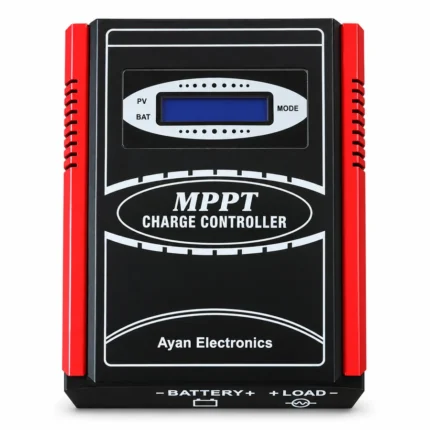
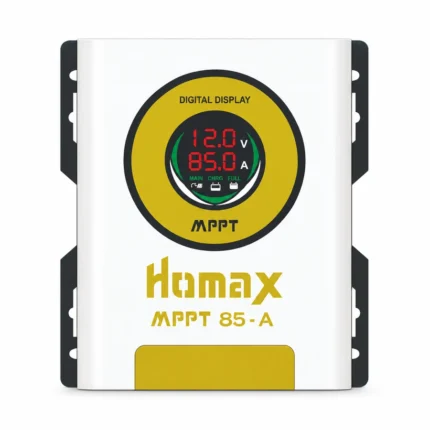
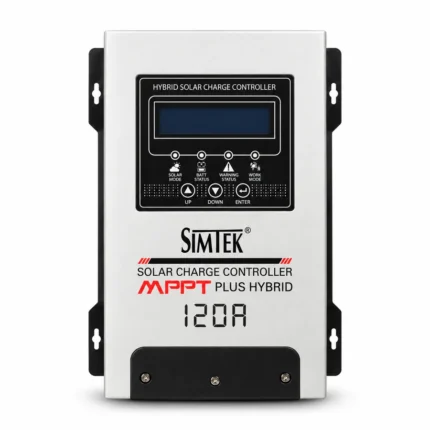
See the complete controller range. Already using a hybrid inverter? Check its built-in solar charger first. Our solar inverter buying guide explains why inverter output and PV charging limits are separate decisions. An external controller should only be added as part of a compatible design.
MPPT vs PWM: frequently asked questions
MPPT vs PWM: is MPPT always better?
No. MPPT is useful when its voltage conversion and tracking provide useful extra energy. A small matched PWM setup may be adequate if it already meets charging demand. Choose by the complete system and budget.
MPPT vs PWM upgrade: can I keep my existing panels?
Possibly, but verify the existing array’s Voc, Vmp, current and wiring against the new controller, as well as battery settings. A compatible upgrade is not established by matching the advertised amp number.
Can PWM or MPPT charge a lithium battery?
Only a specific controller with suitable settings and the battery manufacturer’s required protections and BMS arrangement. Neither technology label alone confirms compatibility.
Does a 60A controller support 60A of solar-panel input?
Not necessarily. It may be the battery-side output rating. Check PV input current, input voltage, charge current and load-output specifications separately.
Will MPPT give 30% more charging every day?
No fixed percentage applies to every setup. Array voltage, temperature, charging stage, demand and losses change the comparison. Use measured energy over comparable conditions when evaluating a real installation.
Can a solar charge controller work without a battery?
Many conventional battery chargers need a connected battery, while some products support particular batteryless modes. Follow the exact manual and supported load arrangement. Do not assume batteryless operation from the MPPT label.
Which controller should I buy for a home in Karachi?
Send the panel label, panel count and connection arrangement, battery model and required load. Those details support a useful recommendation; location or the cheapest amp rating alone does not.
Get a controller matched to your equipment
Send us your panel label, panel quantity, battery voltage and model, existing inverter/controller and Karachi delivery area. Al Arab Solar can check current products and arrange an installer when needed. Final wiring, protection and compatibility need model-specific verification.
Ask Al Arab Solar on WhatsApp ↗
Roman Urdu: Panel aur battery ki clear label photos bhej dein. Sirf “kitne amp ka controller chahiye” se final selection sahi nahi hoti.
Sources and editorial method
Technical references were checked on 15 October 2026. This is an original buying guide based on manufacturer documentation and clearly labelled calculations, not a claim of hands-on testing. Consult the supplied model’s current manual; changes in stock do not change the principles explained here. The featured image is a conceptual illustration, not a photograph of stocked products.